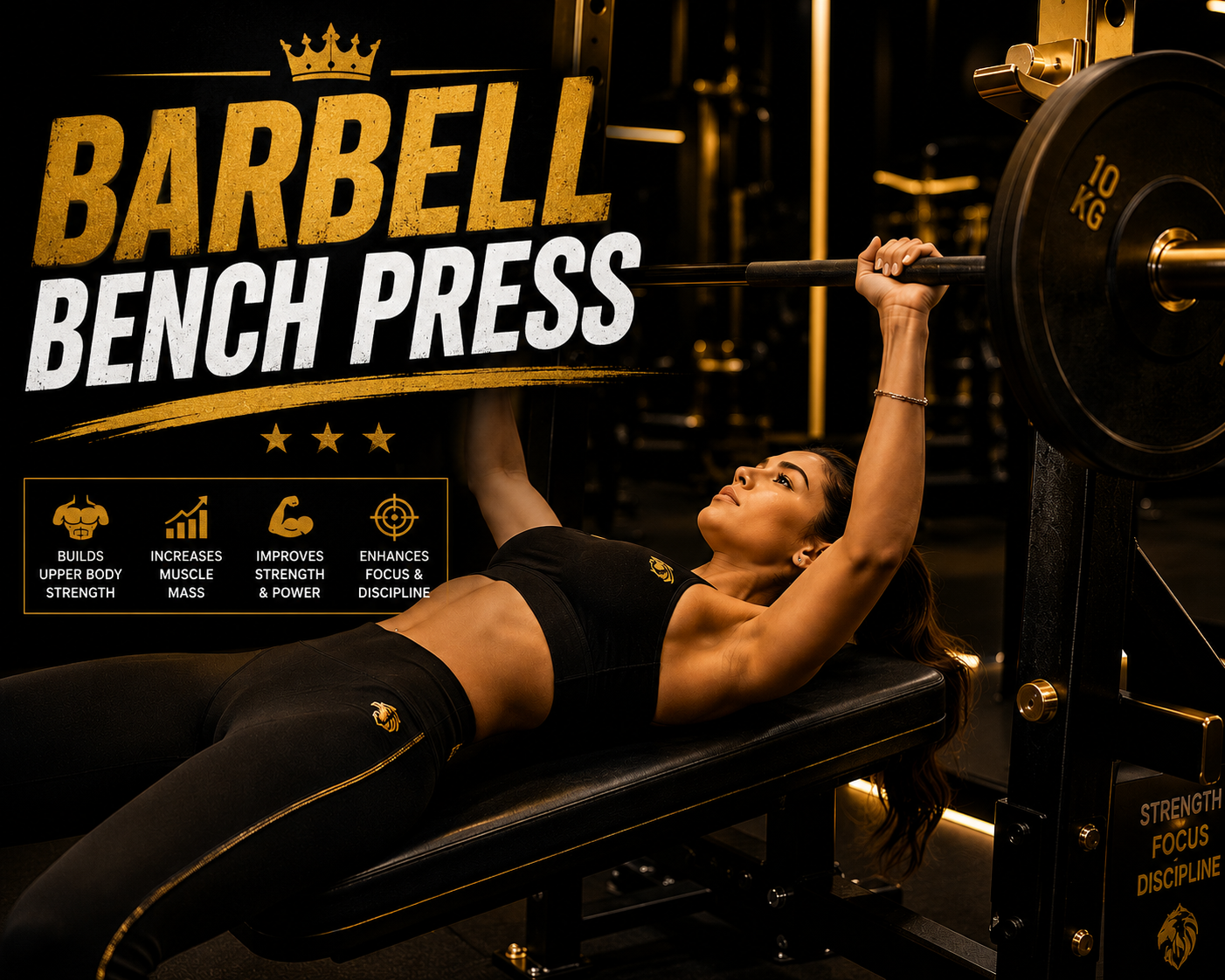
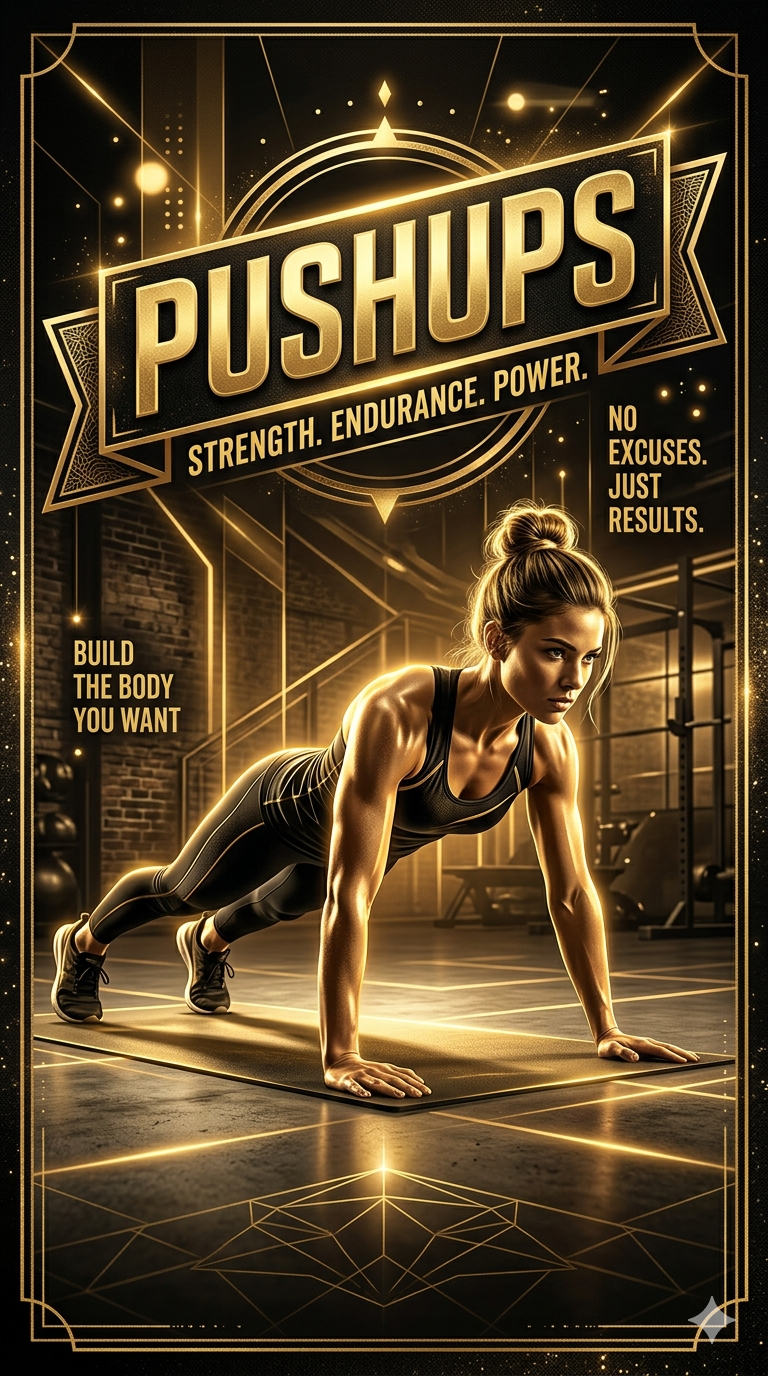
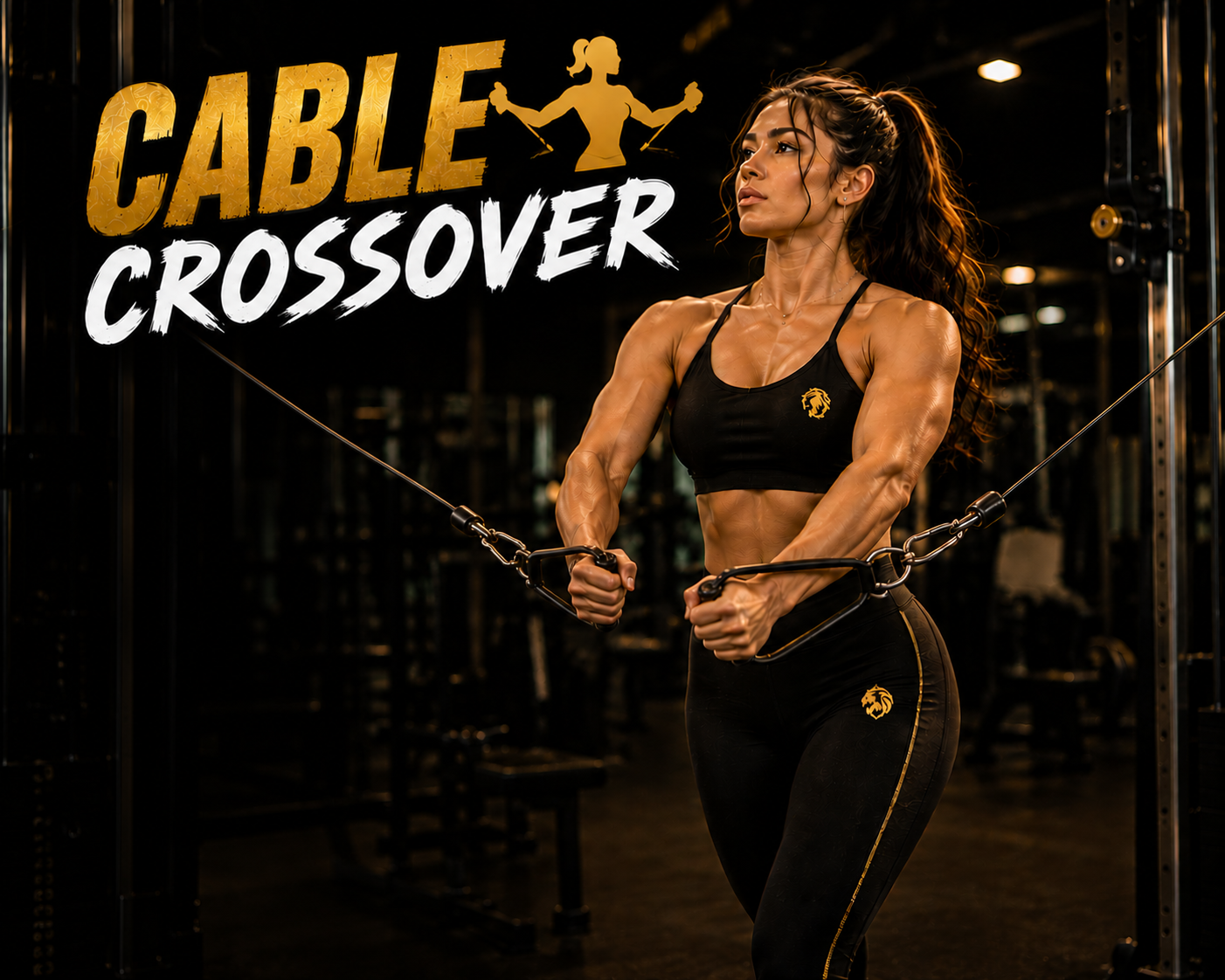
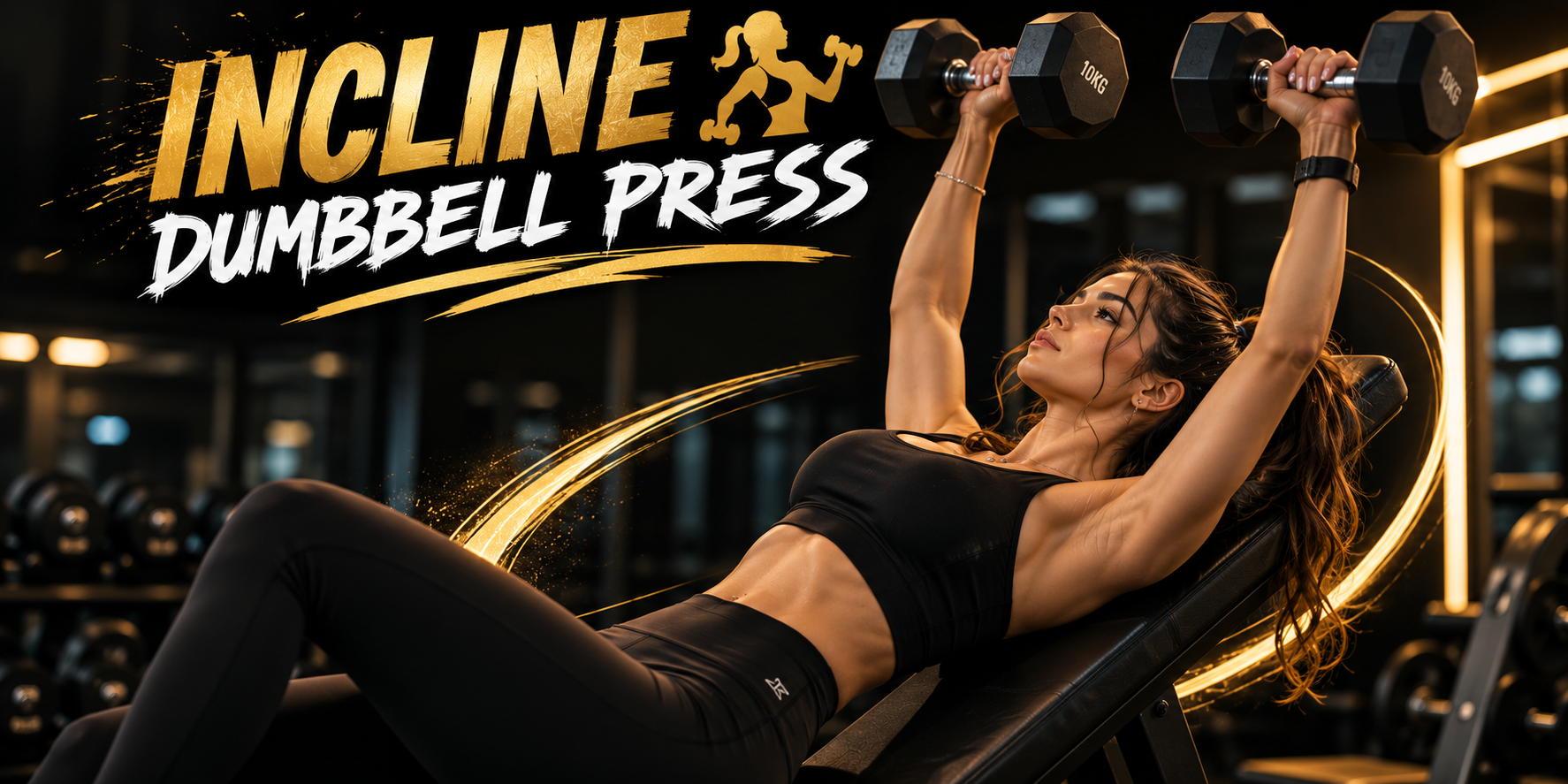
Barbell Bench Press is one of the most effective exercises for building chest strength and muscle mass. It primarily targets the pectoral muscles while also working the shoulders and triceps. This compound movement helps improve overall upper-body power and performance. Maintaining proper form is important to maximize results and prevent injuries. Regular bench press training can increase strength, muscle size, and endurance.
What Is the Barbell Bench Press?
The barbell bench press is one of the most effective compound exercises for building upper-body strength and muscle mass. Performed on a flat bench, it involves lowering a barbell to the chest and pressing it back to the starting position. This exercise is a staple in strength training programs and is widely used to improve chest size, power, and overall pushing strength.
Benefits of the Barbell Bench Press
The barbell bench press helps develop a stronger and more muscular chest while also increasing upper-body strength. It improves pushing power, enhances athletic performance, and supports better muscle growth by allowing heavier weights than most chest exercises. Regular bench pressing also strengthens the shoulders and triceps, making it an essential movement for overall fitness.
How to Perform the Barbell Bench Press Correctly
Lie flat on a bench with your feet firmly planted on the floor. Grip the barbell slightly wider than shoulder-width and lift it off the rack. Lower the bar slowly until it lightly touches the middle of your chest while keeping your elbows at about a 45-degree angle. Press the bar upward until your arms are fully extended without locking your elbows. Maintain a controlled pace throughout each repetition.
Muscles Worked in the Barbell Bench Press
The barbell bench press primarily targets the pectoralis major (chest). It also works the triceps brachii and anterior deltoids (front shoulders). In addition, the forearms, lats, and core muscles help stabilize the body and support proper lifting technique during the exercise.
Tips and Common Mistakes
Always warm up before lifting heavy weights and use a spotter when possible. Keep your shoulders pulled back and your chest lifted throughout the movement. Avoid bouncing the bar off your chest or lifting your hips off the bench. Choose a weight you can control with proper form, and focus on smooth, steady repetitions to maximize muscle growth while reducing the risk of injury.
 Skip to main content